
Brighton’s period homes are full of character and the architecture found across Brighton and Hove is one of the things that makes living here so special.
For many homeowners, these properties are exactly what make them fall in love with a house in the first place. High ceilings, original fireplaces, decorative cornicing and generous windows all create a sense of history and charm that modern homes rarely replicate.
However, designing interiors for a period property often requires a slightly different approach, particularly when developing a cohesive interior design scheme. When working with older buildings, I usually find that the goal is not to recreate a perfectly historic interior, but to strike the right balance between preserving character and making the home work comfortably for modern life.
Interior Design For Period Homes In Brighton
Designing interiors for Brighton period homes requires an understanding of both the architecture and the way people live today. As an interior designer based in Brighton, I often work with homeowners who want to preserve the character of their Regency or Victorian property while creating spaces that feel calm, practical and contemporary.
What Makes Brighton Period Homes So Unique
Brighton’s architectural heritage is wonderfully varied. Elegant Regency townhouses line the seafront and garden squares, while Victorian terraces climb the hills through areas such as Hanover and Prestonville. Each style brings its own proportions, architectural details and quirks.
Many of these properties also reflect Brighton’s distinctive building methods. In some older houses you will likely encounter bungaroosh, a traditional construction technique that used a mix of rubble, brick and lime mortar inside the walls. While largely hidden from view, it is very much part of Brighton’s architectural history – though many homeowners discover its less charming side when dealing with issues such as damp.
Across neighbourhoods such as Hanover, colourful terraced houses sit closely together along narrow streets, creating some of the city’s most distinctive residential areas. While compact, these homes often retain beautiful original details such as fireplaces, sash windows and decorative cornicing.
When working on interior design for Brighton period homes, I usually allow these architectural features to guide the overall scheme. Rather than competing with them, the aim is to let the character of the building lead the design while creating spaces that still feel comfortable and contemporary.
Celebrating Architectural Features
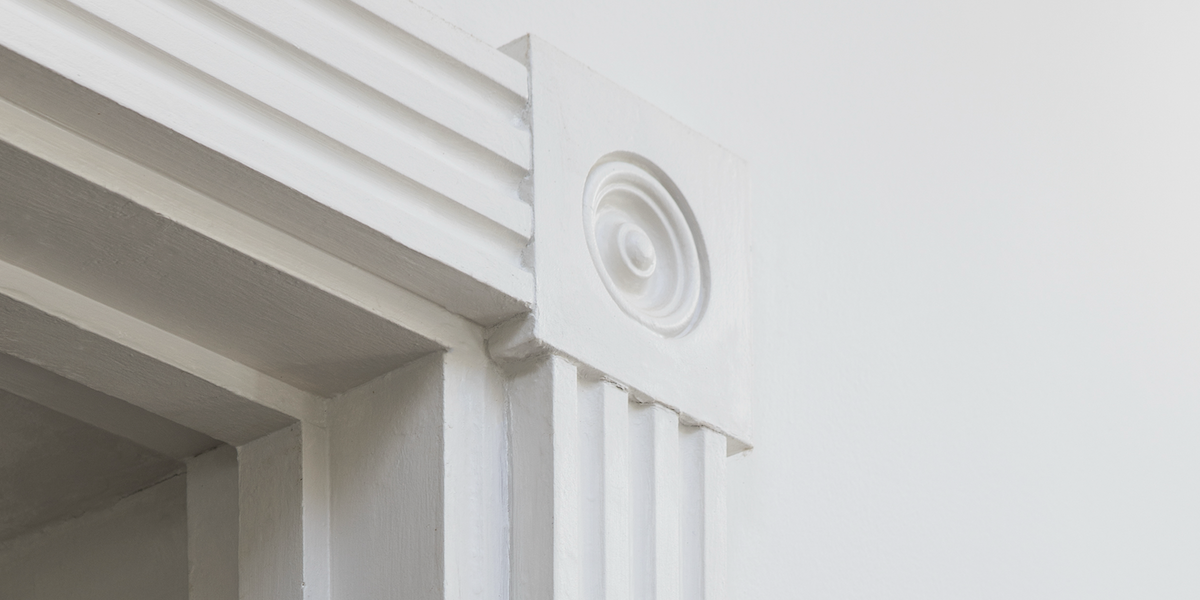
One of the things I particularly enjoy about working with Brighton’s period homes is the architectural detail they often contain. Cornicing, ceiling roses, fireplaces and tall sash windows all bring depth and personality to a space.
In many cases, the most effective approach is simply to highlight these features rather than compete with them. Carefully chosen colours, balanced furniture layouts and considered lighting can help draw attention to the architecture while still creating a calm and cohesive interior.
Often it is these original details that give a room its real sense of identity, so allowing them to remain a focal point usually results in a scheme that feels both timeless and authentic.
Balancing Character with Modern Living
While the architecture may be historic, the way we live today is very different from when many of these houses were built.
Victorian and Regency homes were designed with more formal room divisions, whereas modern living tends to favour spaces that feel more open and flexible. Part of the role of interior design is often to bridge that gap.
This might involve improving the flow between rooms, reconsidering how certain spaces are used or introducing more adaptable layouts, all while respecting the structure and proportions of the original building.
The aim is usually to create a home that feels natural to live in today without losing the sense of history that makes these properties so appealing.
Working with Brighton’s Tall, Light-Filled Rooms
Many period properties in Brighton benefit from beautifully tall ceilings and generous windows, particularly in Regency homes near the seafront.
These proportions create wonderfully light interiors, but they can also present design challenges. Without careful planning, rooms can sometimes feel slightly empty or out of balance.
In these spaces I often focus on layering elements within the room – combining well-scaled furniture, thoughtful lighting and carefully placed artwork to create a sense of visual balance. Soft furnishings and textured materials can also help introduce warmth so that the room feels welcoming rather than overly formal.
Making the Most of Narrow Terrace Layouts
Victorian terraces are one of the most common house types across Brighton. While full of character, they can sometimes feel narrower than more modern homes.
When designing interiors for these spaces, I often look closely at furniture placement, colour palettes and lighting to help maximise the sense of space. Even relatively small changes can make a significant difference to how a room feels.
In some cases, reconsidering how rooms connect to one another or improving sight lines through the house can also help create a stronger sense of flow.
Listed Buildings and Conservation Areas
Another important consideration in Brighton is that many period properties are either listed buildings or located within conservation areas. These designations help protect the city’s architectural heritage and character.
This does not prevent homeowners from updating or improving their interiors, but it can mean that certain alterations – particularly those affecting original architectural features – require careful thought and sometimes additional permissions. Brighton & Hove City Council provides guidance on how these buildings are protected and what types of changes may require approval https://www.brighton-hove.gov.uk/planning/heritage/listed-buildings-brighton-hove
Understanding the history and significance of the building is often an important part of the design process, especially in a city with such a rich architectural landscape.
Preserving Character While Introducing Personality
One of the things I enjoy most about designing interiors for period homes is the opportunity to contrast historic architecture with more contemporary design.
Some of the most striking interiors come from placing traditional features alongside minimalist, contemporary elements. The simplicity of modern furniture, clean lines and restrained colour palettes can create a beautiful contrast with ornate cornicing, fireplaces and sash windows.
When done carefully, this balance allows the architectural character of the building to stand out while giving the interior a fresh and sophisticated feel. It is an approach that often results in spaces that feel calm, considered and quietly luxurious.
Brighton itself has a wonderfully creative and eclectic spirit, and many homeowners enjoy reflecting that personality within their interiors while still respecting the heritage of the building.
Creating a Home That Works for Modern Life
Renovating Brighton period homes is rarely just about aesthetics. It’s also about ensuring that the home works well for the way its owners live today.
Thoughtful decisions around layout, materials, lighting and storage can help ensure that a home remains both beautiful and practical for years to come.
If you are renovating or reimagining a period property in Brighton and would like guidance developing a cohesive design scheme, you can find out more about my Brighton interior design services here.
You can also explore examples of completed projects in my interior design portfolio.